Mastering Lighting on RED Raptor Systems: A Masterclass for Modern Teams
Written by Studio Director of Photography | Updated: October 2025
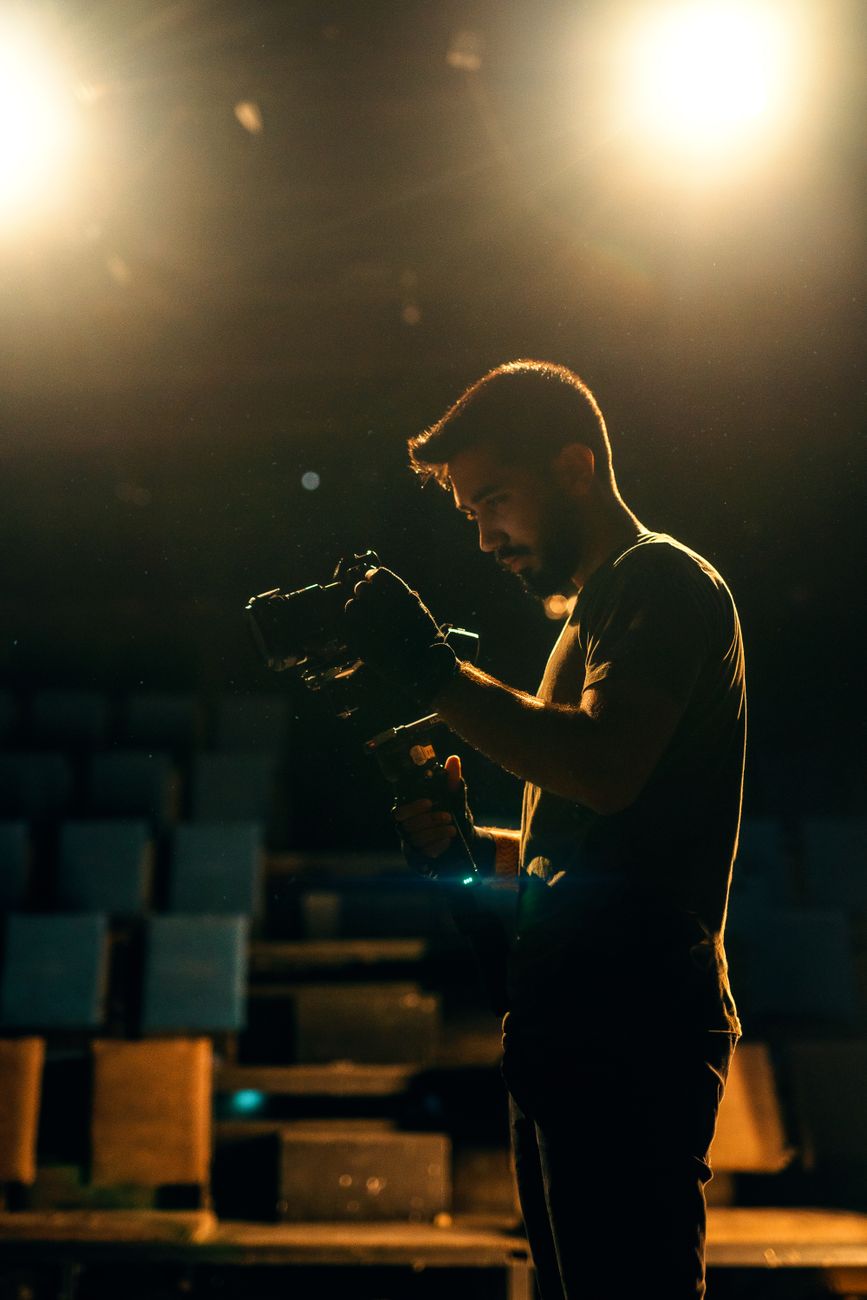
In the field of high-end commercial filmmaking, lighting isn't merely used to show the subject—it represents the narrative tone, focuses viewer attention, and establishes absolute credibility.
Operating premium RED sensors, specifically the Raptor lineup, requires a profound understanding of dynamic range retention. This article outlines our studio-tested approaches for capturing crisp, commercial-grade imagery under uneven, high-contrast lighting situations.
1. Mapping the Latitude Curve
Modern cinema sensors carry up to 17 stops of dynamic latitude, but this range remains heavily dependent on precise mid-tone placement. When capturing corporate features in Nairobi, high solar conditions can overexpose backdrops. We map shadow details using soft overhead bounce structures rather than harsh face highlights.
"Never overexpose your white details to salvage shadows. The digital clipping on highlight curves is immediate and destroys premium trust."
2. Color Science and Skin Tone Natural representation
We work with varied skin tones, requiring careful selection of color rendering qualities (CRI). Traditional LED fixtures can lean slightly green or magenta. We use highly calibrated fixtures (CRI 98+) to ensure natural color profiles in every raw file, reducing grading time.
Want to work with an Elite Film Team?
Our skilled film directors maintain global standards across planning, lighting design, and raw file preparation. Partner with Truesummit.
Discuss Your Campaign